

Tamil Nadu’s Water Resources Department (WRD) and Chennai Metro Water are preparing to seek an increased release of Krishna river water from neighbouring Andhra Pradesh as the city looks to strengthen its drinking water reserves ahead of future demand. The move comes despite comfortable reservoir levels, with officials aiming to maximise storage while water is available.
Officials are expected to hold discussions with their Andhra Pradesh counterparts to request a higher quantum of water through the Telugu Ganga Project, which has remained a vital source of drinking water for Chennai for decades. Earlier this year, Andhra Pradesh agreed to release at least 1 TMC of Krishna water, with officials indicating that the quantity could be increased depending on reservoir conditions and water availability.
The request comes as Chennai continues to diversify its water sources through reservoirs, desalination plants, the Veeranam scheme and inter-state water transfers. Even with healthy storage levels following recent rainfall and earlier Krishna water releases, authorities are looking to secure additional supplies to ensure adequate reserves before the northeast monsoon.
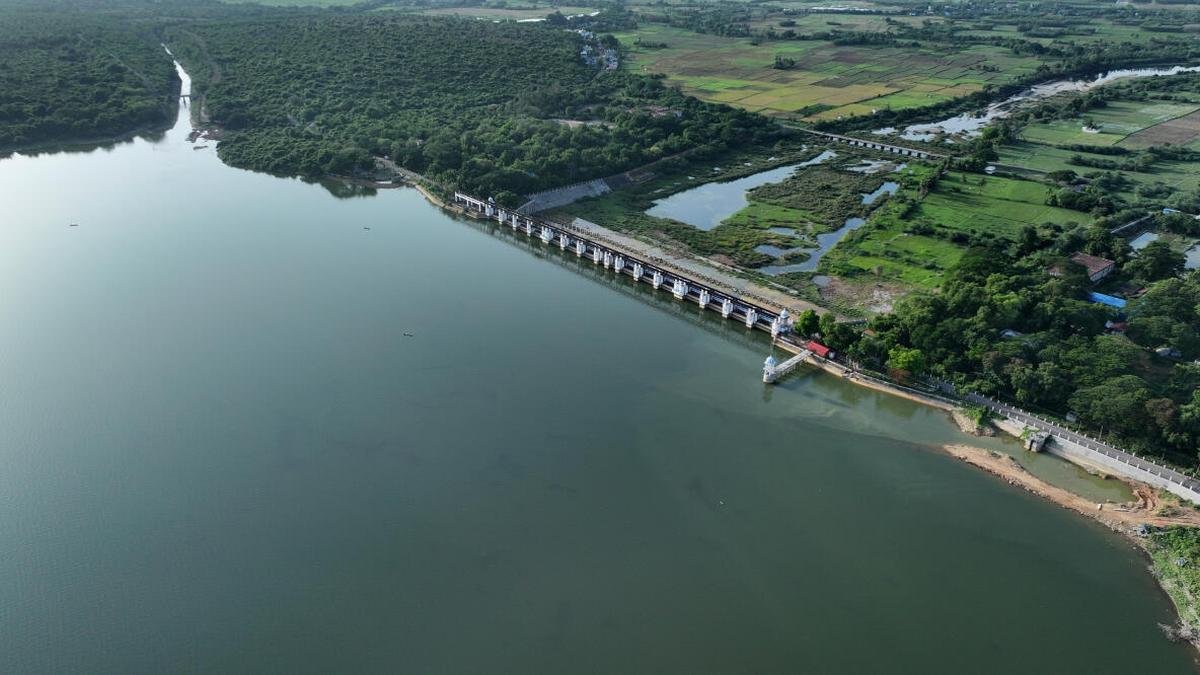
Krishna water is transported from Andhra Pradesh’s Kandaleru reservoir through the Telugu Ganga canal network before entering Tamil Nadu at Uthukottai and eventually reaching the Poondi reservoir, one of Chennai’s key water storage facilities. The inter-state project has played an important role in supplementing the city’s drinking water requirements during periods of low rainfall.

Water officials have previously adjusted the timing and quantity of Krishna water releases based on Chennai’s reservoir levels. Earlier in the year, releases were temporarily deferred when the city’s reservoirs were close to full capacity, while supplies later resumed after maintenance work on Andhra Pradesh’s canal network was completed.
Authorities say securing additional Krishna water now would improve operational flexibility and help maintain stable drinking water supplies during periods of higher consumption, while reducing dependence on emergency measures should rainfall fall below expectations in the coming months.
